
For fifty-four years, they reminded them. Every road game, every rival building, every smart-mouthed kid in a Devils or Islanders jersey had the same two syllables ready: nineteen-forty. It was the last time the New York Rangers had won the Stanley Cup, and by the spring of 1994 it had stopped being a statistic. It was a taunt, a superstition, a family heirloom handed down from grandfathers who had seen it to grandsons who were starting to believe they never would.
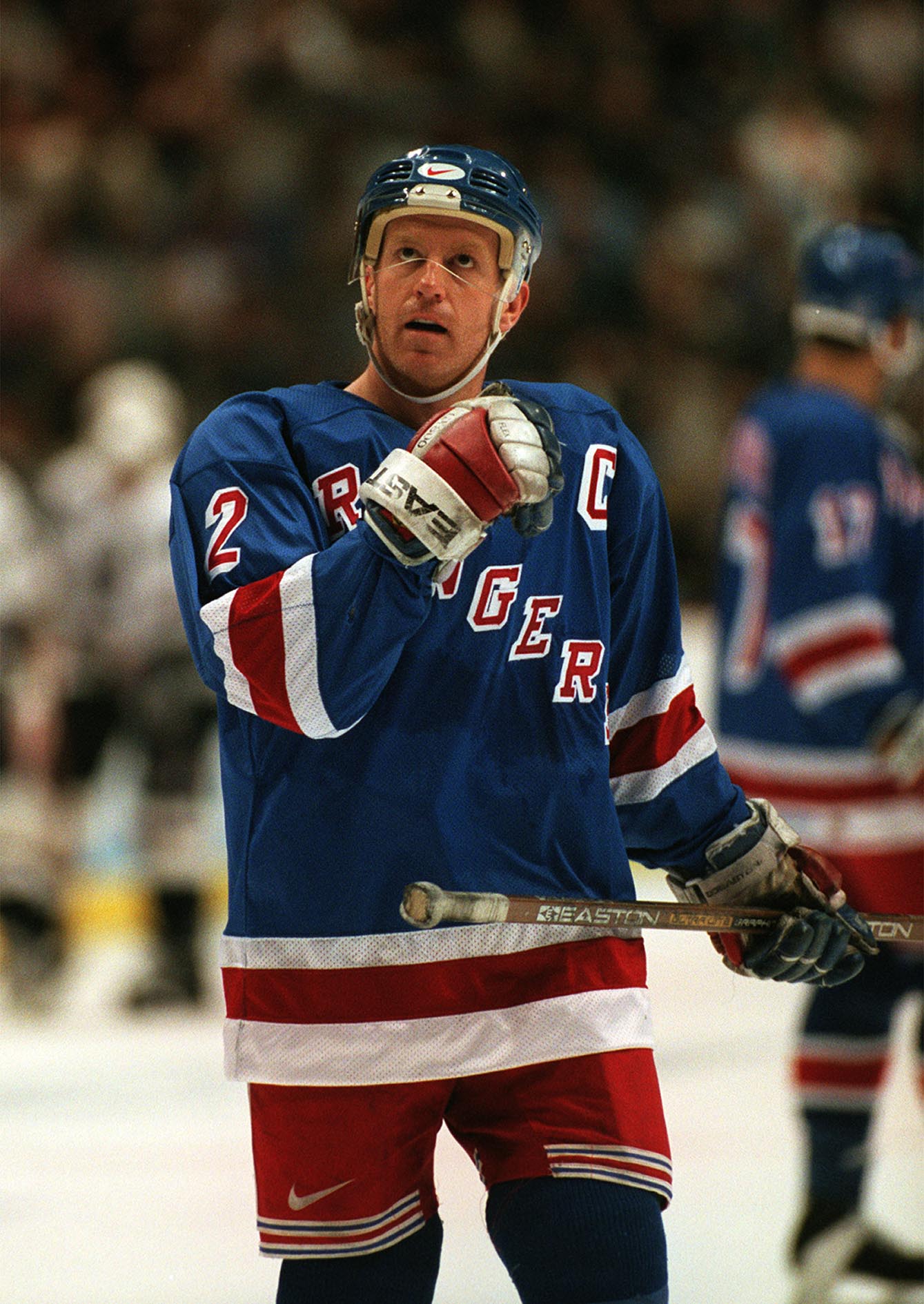
Then came a team built to end it. Mike Keenan behind the bench, demanding and volcanic. Brian Leetch, the most gifted defenceman of his generation, carrying the puck as if it were tied to his stick. Mike Richter in goal. And at the centre of everything, Mark Messier, five Cups already on his résumé from Edmonton, brought to New York for one reason and one reason only.
The promise
The road almost ended a round early. Down three games to two against New Jersey in the Eastern Conference Final, facing elimination on the road, Messier did something captains are told never to do. He guaranteed a win. Out loud. To reporters.
And then he went out and delivered it himself, with a third-period hat trick in a 4–2 victory that turned a reckless promise into legend. The Rangers won Game 7 in double overtime. The curse, it seemed, was finally running out of places to hide.
It wasn't confidence. It was a dare, thrown at fifty-four years of history.
A series that refused to die
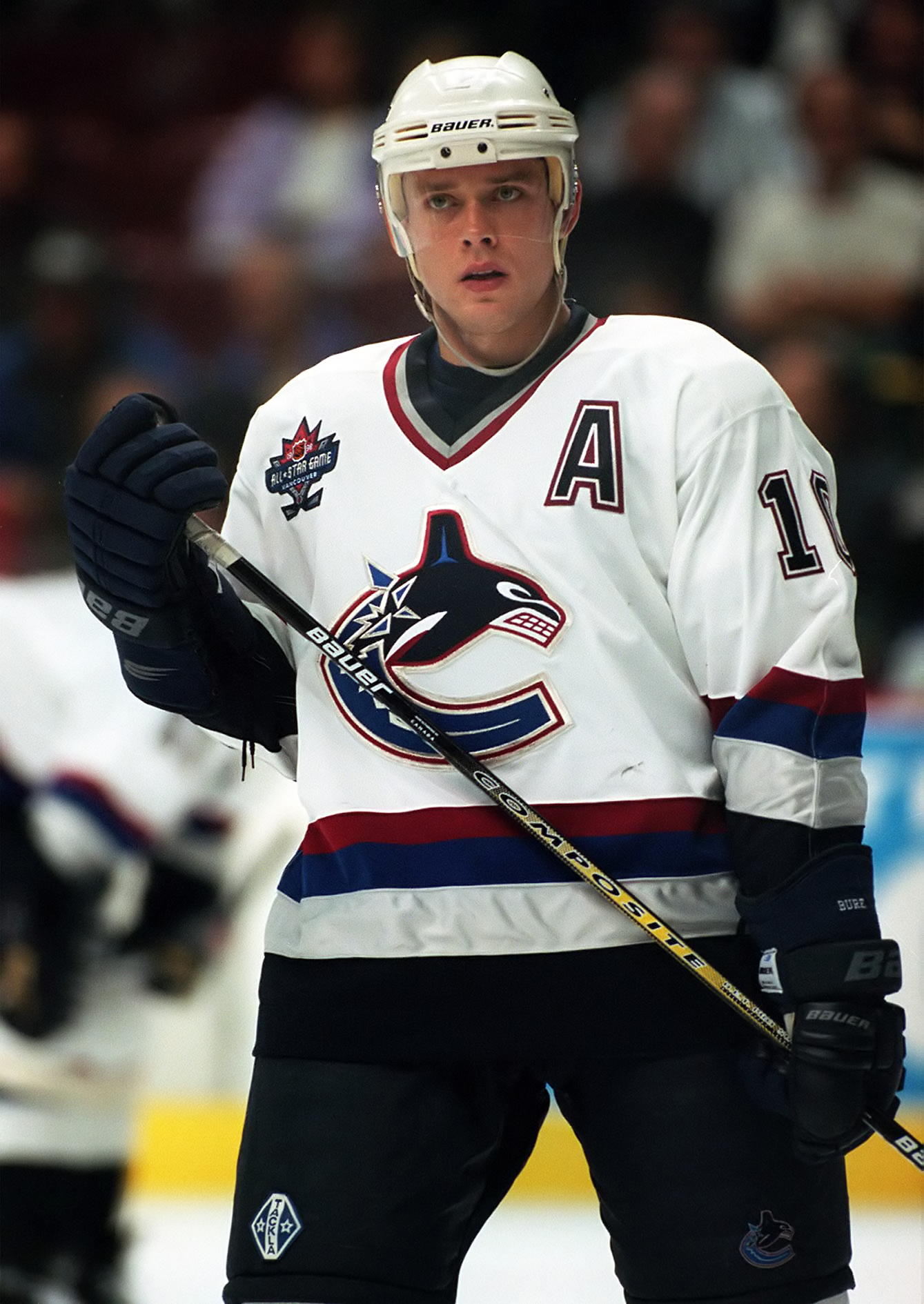
The Vancouver Canucks were not supposed to be this good, and nobody told them. They stole Game 1 at Madison Square Garden: Martin Gélinas tied it with a minute left in regulation, and Greg Adams won it in overtime on an odd-man rush. The Garden went silent. The old ghosts stirred.
New York answered with three straight wins, 3–1 at home, then 5–1 and 4–2 in Vancouver, where Leetch had a goal and three assists in Game 4. Three games to one. One win from forever.
Vancouver would not go away. They came into the Garden and won Game 5, 6–3, with Dave Babych scoring the go-ahead goal in the third. Back home, they won Game 6, 4–1, on a Geoff Courtnall goal confirmed by video review. The series was tied. The city that had waited fifty-four years would have to wait for one more night.
The series, game by game
Goals for each team. Green: Rangers win. Blue: Canucks win.
June 14, 1994
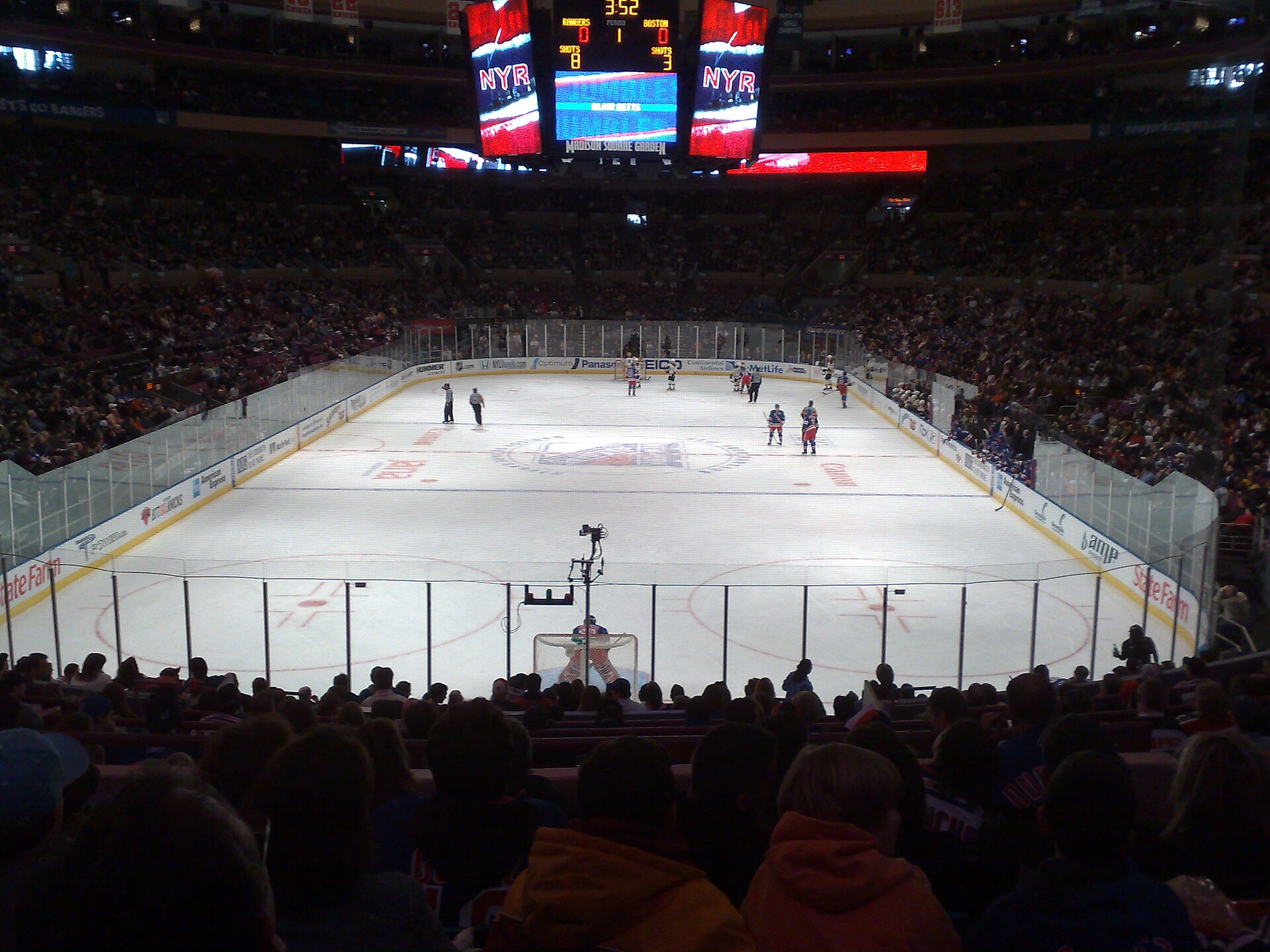
There are nights when a building breathes. Madison Square Garden was holding its breath from the opening faceoff.
At 11:02 of the first period, Leetch scored. At 14:45, Adam Graves made it 2–0 on the power play. For a few minutes, it felt easy, and nothing that had taken fifty-four years was ever going to be easy.
Trevor Linden, Vancouver's captain, refused to let it end that way. Shorthanded, at 5:21 of the second, he scored to cut it to 2–1. Messier answered at 13:29 on the power play, the goal that would stand as the Cup winner. (Decades later he admitted the puck had probably gone in off Brian Noonan. History, mercifully, did not change the scoresheet.) And then, 4:50 into the third, Linden scored again. 3–2. Just over fifteen minutes stood between a city and its exorcism.
The post
With about six minutes to play, Nathan LaFayette got a look. The puck left his stick, beat everything, and rang off the post. It wobbled loose in front of the net. The whole building forgot how to breathe. Then it was cleared, and the clock kept bleeding.
The last thirty-seven seconds took an eternity. Three faceoffs in the Rangers' own zone. An icing call. Time put back on the clock, down to 1.6 seconds, for one final draw. Craig MacTavish against Pavel Bure. MacTavish and Messier tied up Bure's stick, MacTavish kicked the puck into the corner, and at 10:59 p.m. the horn finally sounded on fifty-four years.
“Now I can die in peace.”A fan's sign in the Garden that night
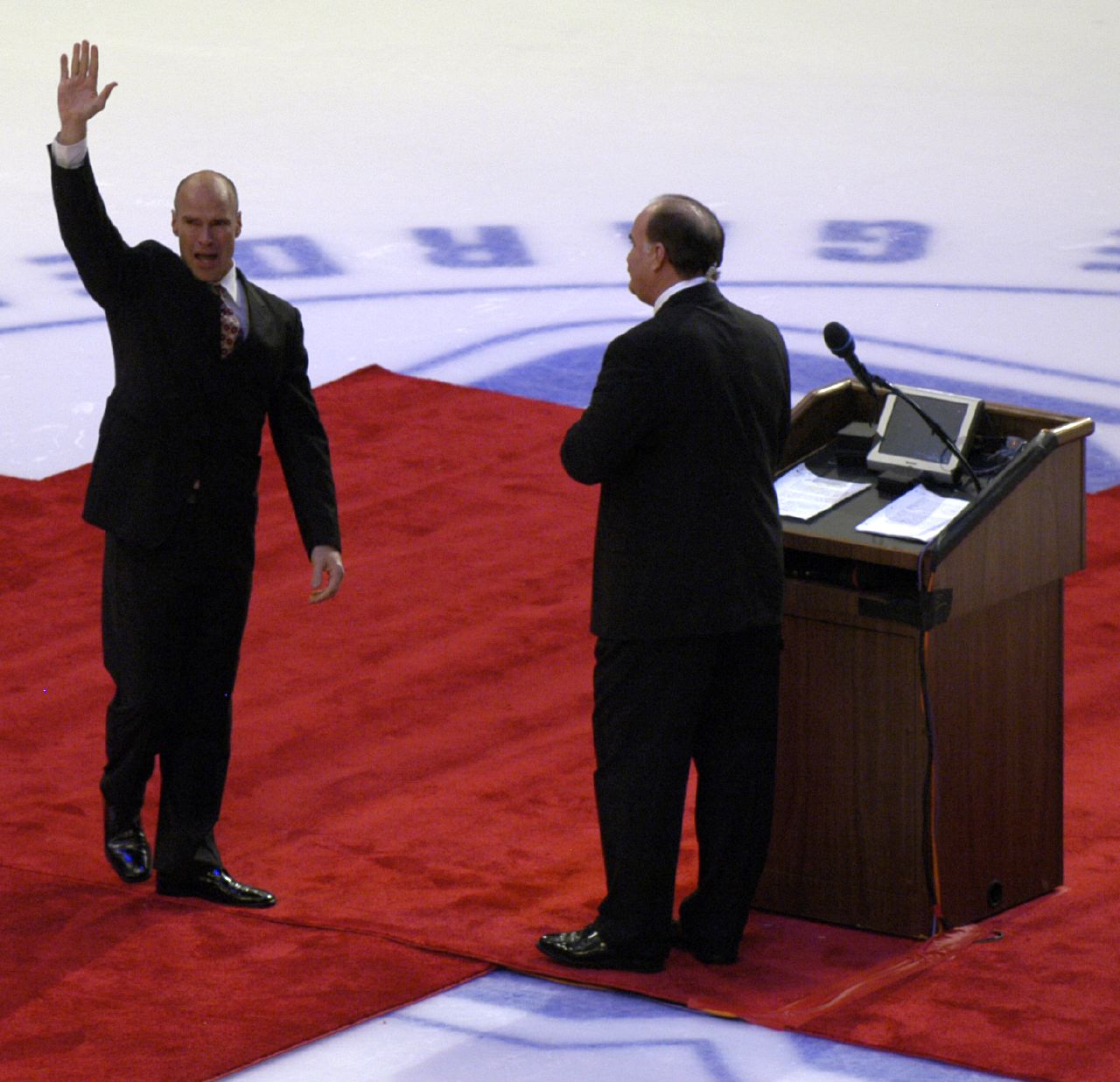
Messier took the Cup and, after posing with Commissioner Gary Bettman, held it alone for a moment before raising it over his head. Leetch won the Conn Smythe Trophy as playoff MVP, the first American-born player to do so. Richter had stopped 28 of 30 shots. All around the building, fans who had waited their whole lives let go of fifty-four years at once.
The other city
On the other side of the continent, the night ended very differently. An estimated 50,000 to 70,000 people had gathered in downtown Vancouver to watch. When it was over, the crowd at Robson and Thurlow turned into a riot. Up to 200 people were injured, more than 540 police officers were needed to restore order, and the damage to the downtown core was estimated at $1.1 million.
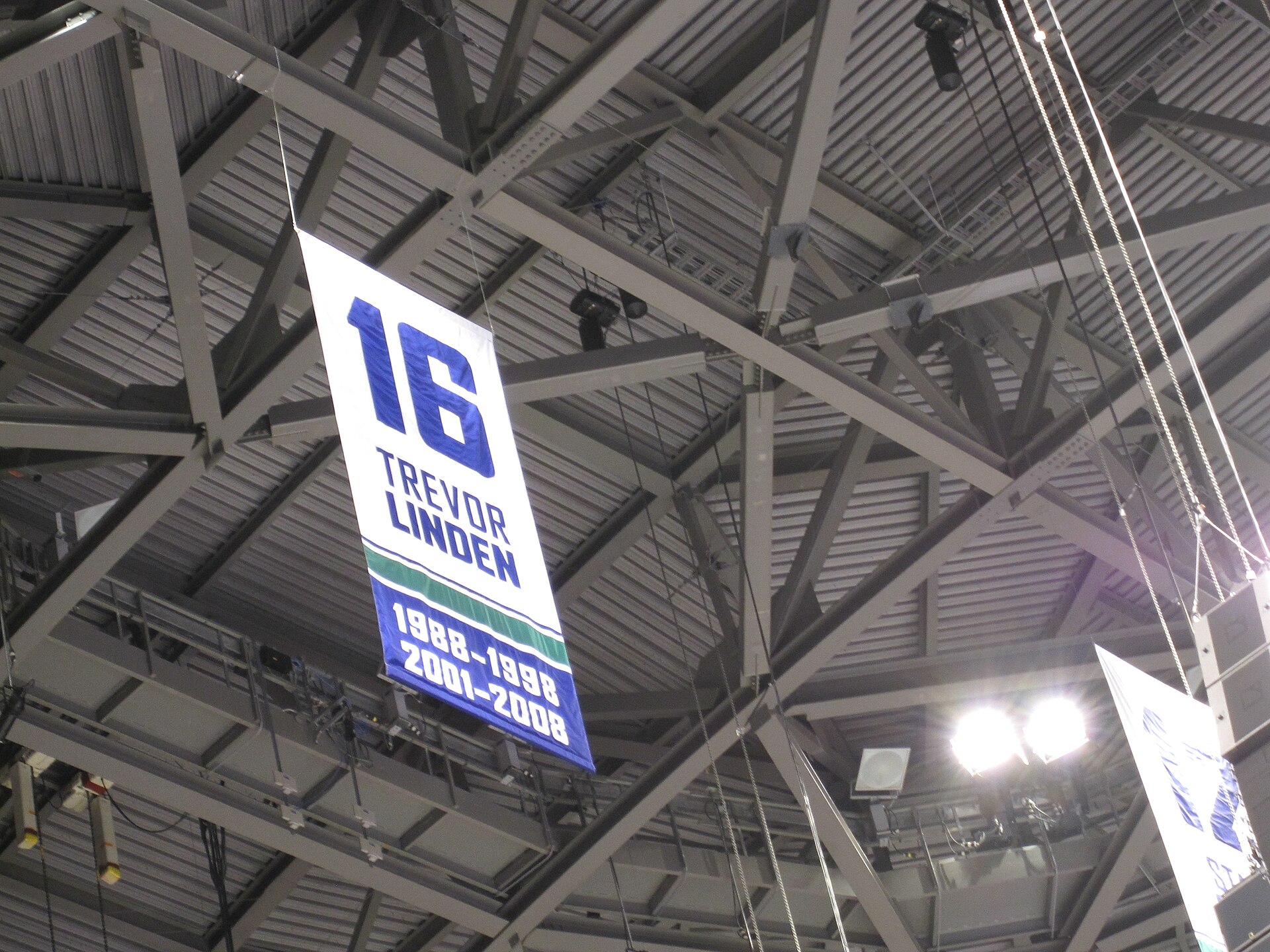
Linden's two goals in Game 7 remain among the bravest performances in a losing effort the Final has ever seen. Vancouver had pushed a great team to the last minute of the last game. It is the cruelty that makes the Stanley Cup what it is: one team skates the trophy around the ice, and the other stands at the blue line and watches.
Why it still matters
It was a record fifty-four-year drought. Every curse in sports since has been measured against nights like this one, because they prove something fans need to believe: that it can end, that the promise can be kept, that the post can ring and the puck can stay out.
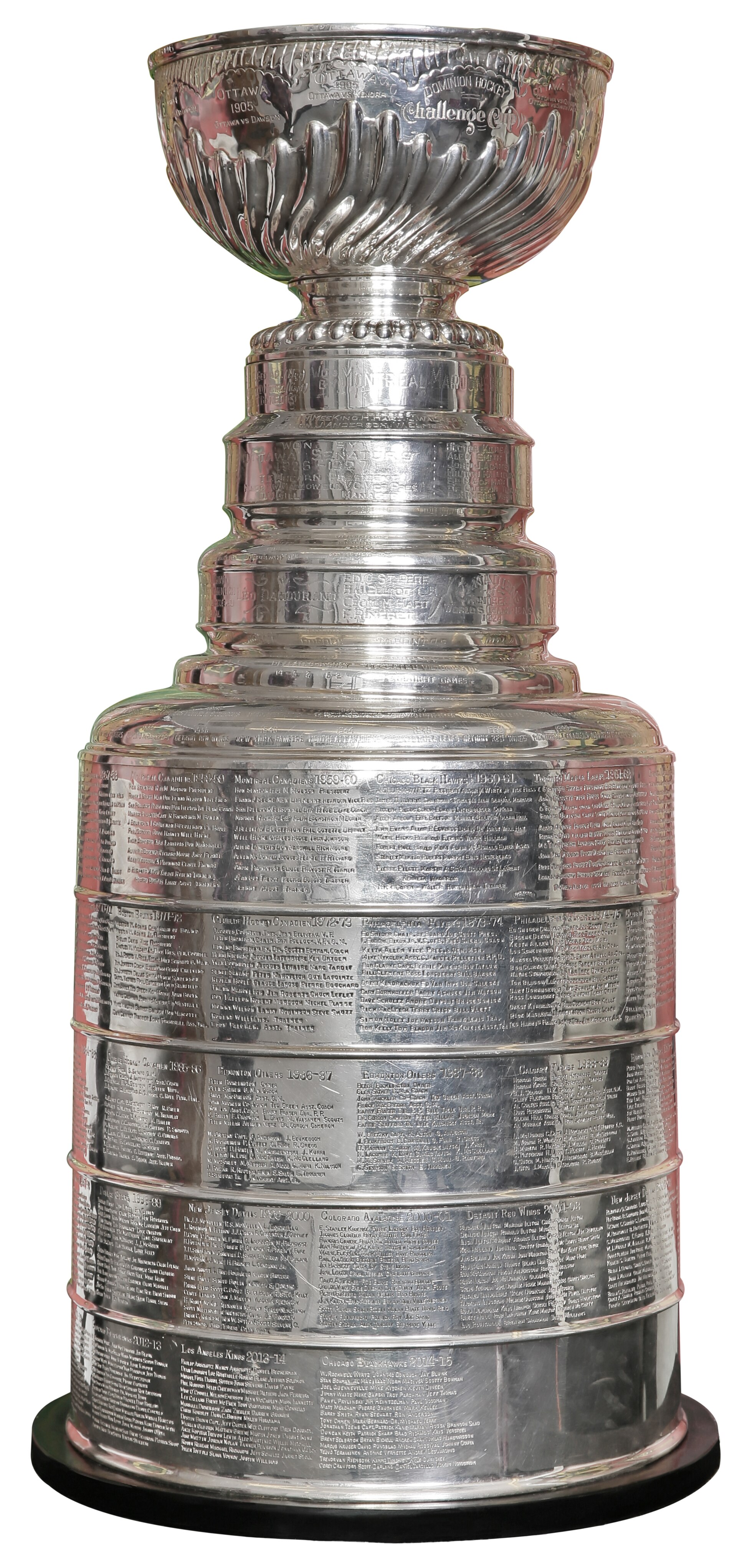
For one night in June 1994, nobody in New York said nineteen-forty anymore. They didn't have to.